



This profile was originally published in Indonesian on Magdalene: https://magdalene.co/story/profil-annisa-emery-manik-perempuan-tuli-advokasi-gender/
Author: Sonia Kharisma Putri
In ongoing conversations about gender equality, not all groups of women have equal access to participate. Women with disabilities, for example, are still often marginalised—whether in feminist discussions, public policy, or activism spaces that claim to be inclusive.
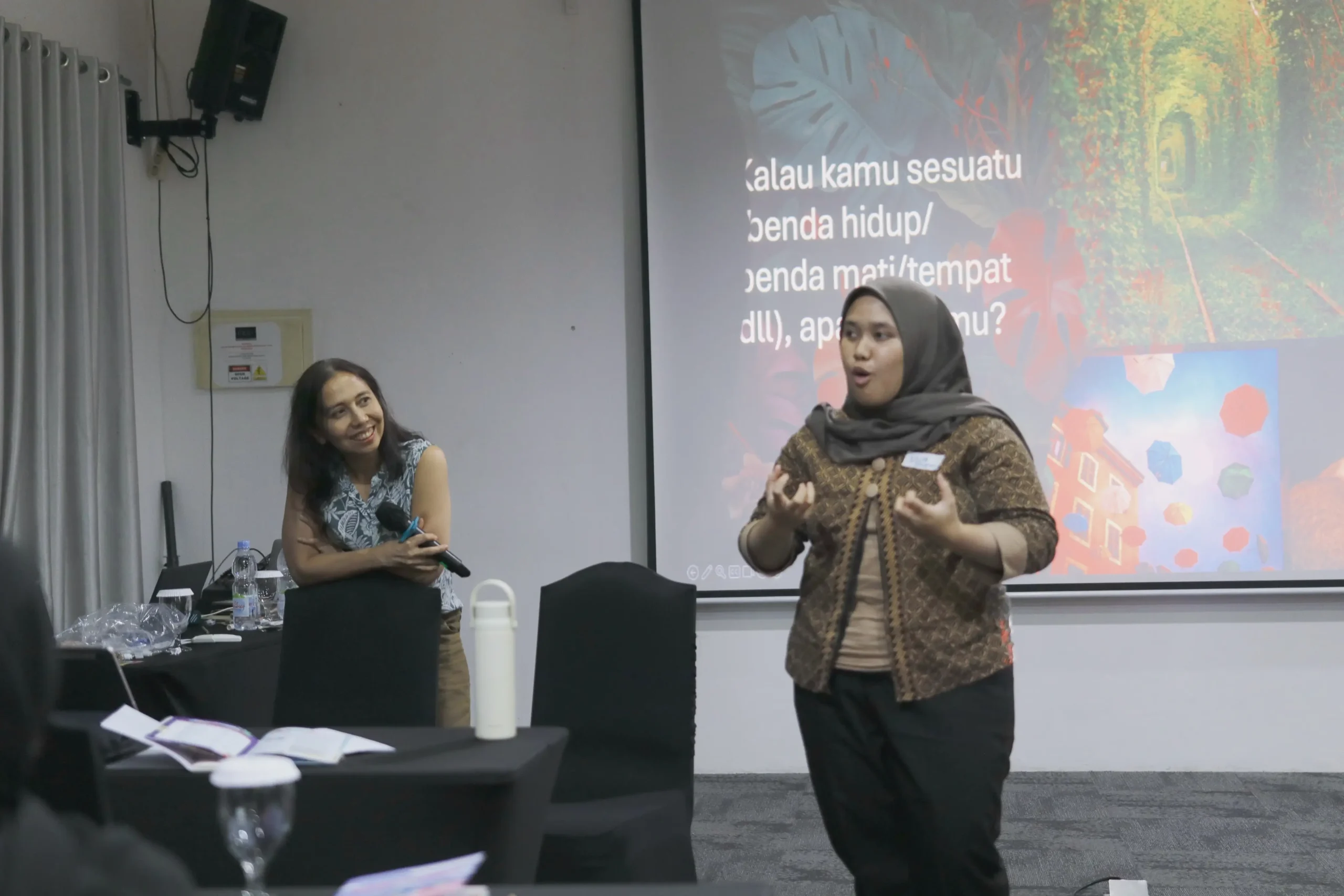
Through the Youth Leadership Camp, Annisa found the courage to join conversations about gender equality, sharing experiences about the lack of safe spaces for Deaf youth to learn about and safely discuss gender-related issues.
For 21-year-old Annisa Emery Manik, this is a very real experience.
“I often feel invisible in conversations about gender equality. Yet my identity as a Deaf woman is also part of that struggle,” Annisa told Magdalene (24/4).
Annisa’s awareness of the importance of participation from women with disabilities began when she joined the Youth Leadership Camp (YLC) organised by Magdalene. There, she found the courage to share her experiences about the lack of safe spaces and access to information for Deaf teenagers who want to learn about gender.
“Many Deaf friends want to learn, but they’re afraid, unsure where to start,” she added.
Through YLC, Nisa was also introduced to the concept of intersectionality—the idea that our identities overlap and shape our different experiences. Being a woman is already vulnerable—but being a woman and deaf? The challenges multiply.
Since that experience, Annisa has become more active in creating content, writing, and launching the campaign #TuliBijakBerdigital, focused on inclusive digital literacy. YLC also helped her understand how gender, disability, and social class interact and influence lived experiences.
“I used to think gender was only about men and women. But other identities like disability or educational background all shape our experiences,” she explained.
Annisa’s activism began in high school. She participated in communities like Feminis Themis and the Indonesian Deaf Basketball Federation. Now, her passion is stronger than ever, especially since issues like accessibility and violence against women with disabilities remain rarely discussed.
Endless challenges
One challenge Annisa often encounters is the lack of understanding of gender issues—even within the Deaf community.
“Even when it comes to online loans or scams, many people don’t understand. As for legal advocacy or violence, the outreach is still very limited,” she said.
Annisa also believes the government has not fully involved persons with disabilities in development processes. Even though regulations mandate employment quotas for people with disabilities, the reality remains far from inclusive.
“Online tests or interviews are often not friendly to deaf people, the visually impaired, or those with intellectual disabilities. Many friends still face discrimination,” she said.
Annisa is also concerned about the lack of attention toward violence experienced by women with disabilities. These incidents happen more frequently and are harder to detect.
She noted that even within disability communities, the culture can still be too masculine, with little discussion about sexual harassment, reproductive rights, or discrimination against women.
“I have a female friend who experienced online gender-based violence (OGBV). What I could do was accompany her and share information about available support services,” she said.
Refusing silence, choosing action
According to Annisa, the media plays a role in either strengthening or weakening the struggle of women with disabilities. The media still often portrays people with disabilities as objects of gratitude—a narrative Annisa believes is harmful.
“Media should give space for women with disabilities as agents of change, not just empty inspirational stories. Women with disabilities are individuals with thoughts and contributions,” she said.
Such framing reduces their struggles into mere tales of resilience. Yet media can play a crucial role in helping the public recognise women with disabilities through the ideas and advocacy they bring.
Discrimination against people with disabilities continues to occur, such as when activist Surya Sahetapy was once rejected by a motorcycle taxi driver because he is Deaf.
Although Annisa has not experienced direct discrimination, she still feels that public transportation lacks inclusive information.
“In KRL or TransJakarta, emergency information is only via loudspeakers. There’s no visual display, so it’s confusing whether the announcement is about a lost person or item,” she said.
This is why Annisa believes involving people with disabilities in decision-making is crucial.
“If women with disabilities are given space to take part in advocacy, the change will be much more significant,” she added.
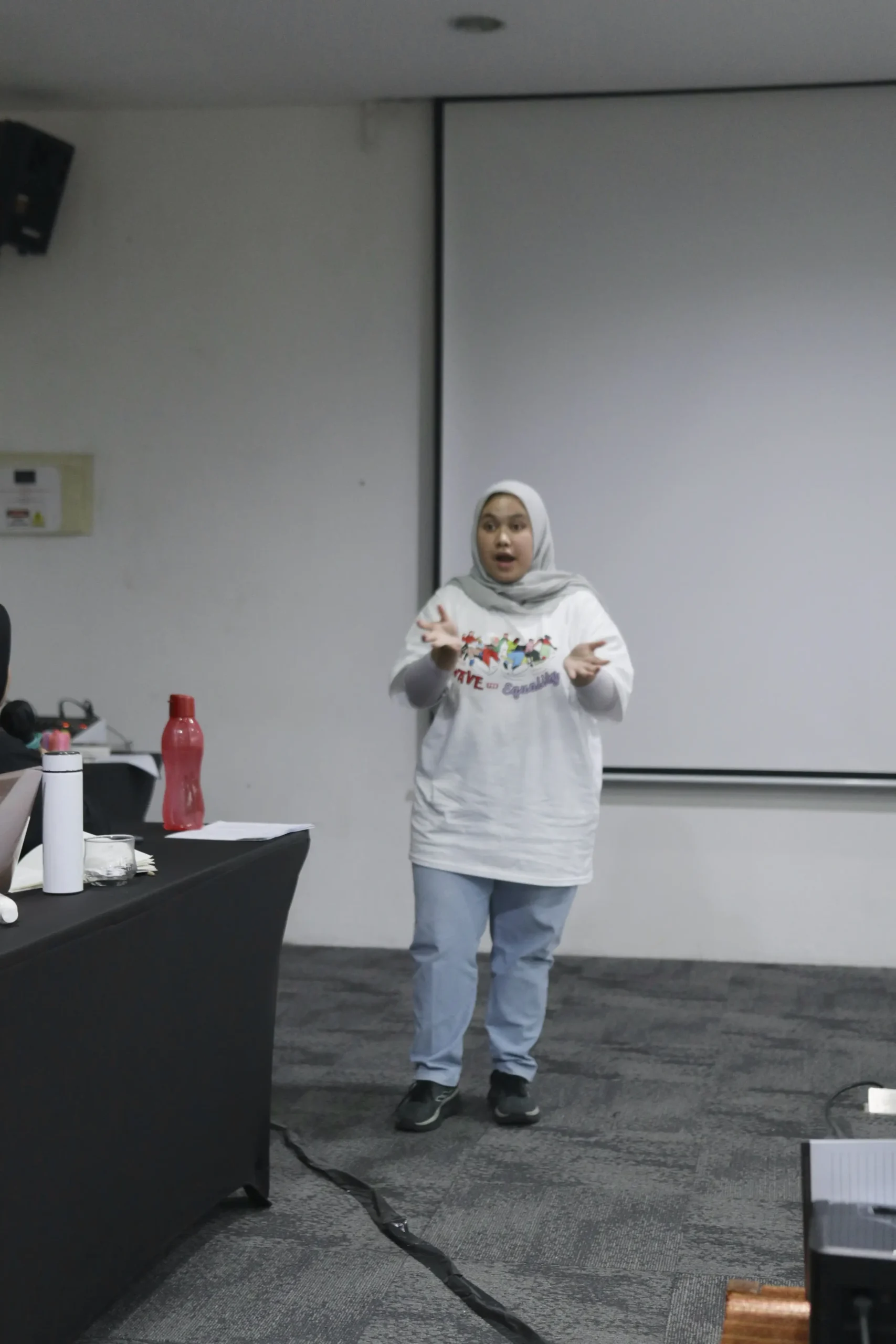
Annisa believes women with disabilities should be given the opportunity to take part in advocacy and decision-making and not just portrayed just as token objects of inspiration.
When asked what kind of support young people can give to strengthen disability advocacy, Annisa responded simply: “I think the best support is, first, support system. Second, providing facilities or spaces for disability advocacy.”
She emphasised that campuses, organisations, and workplaces must proactively provide proper access—not just respond reactively.
“Don’t wait until there’s a person with a disability before preparing accessibility,” Annisa concluded.